

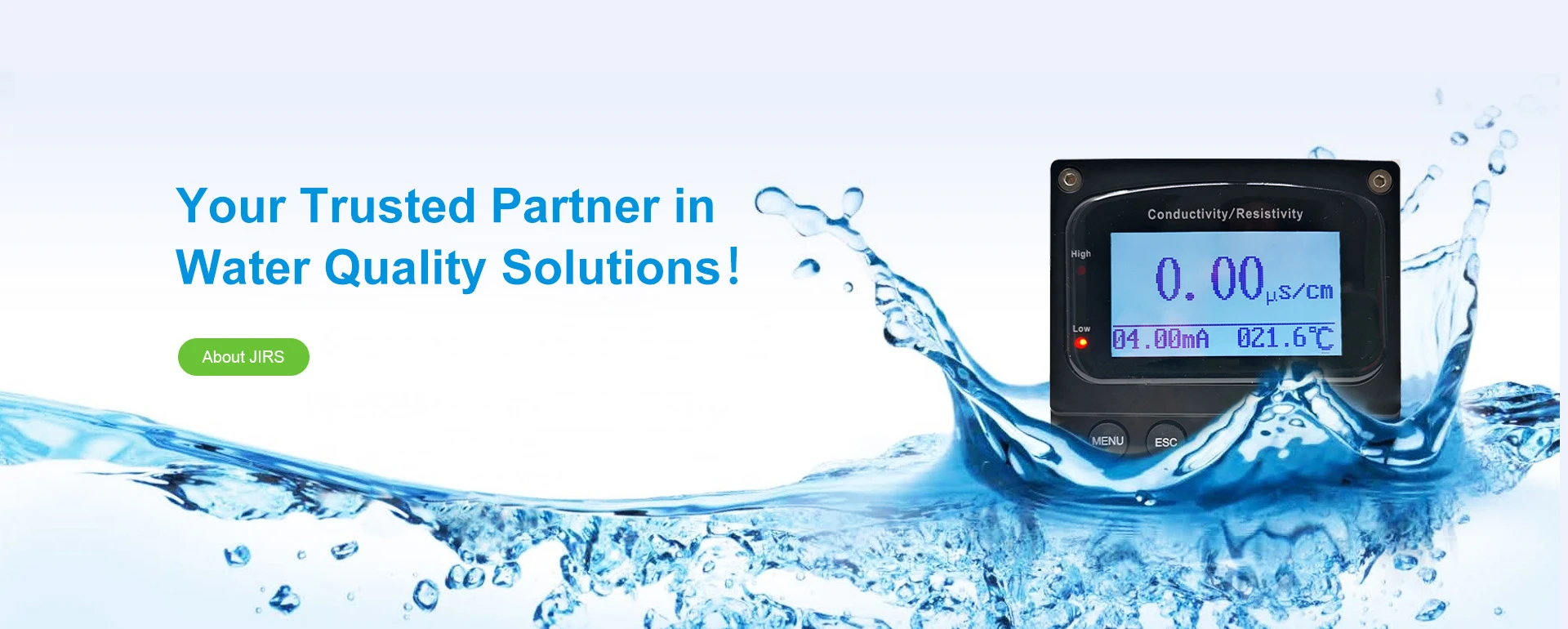
Ensures the high precision,high steady and high efficiency of our machines
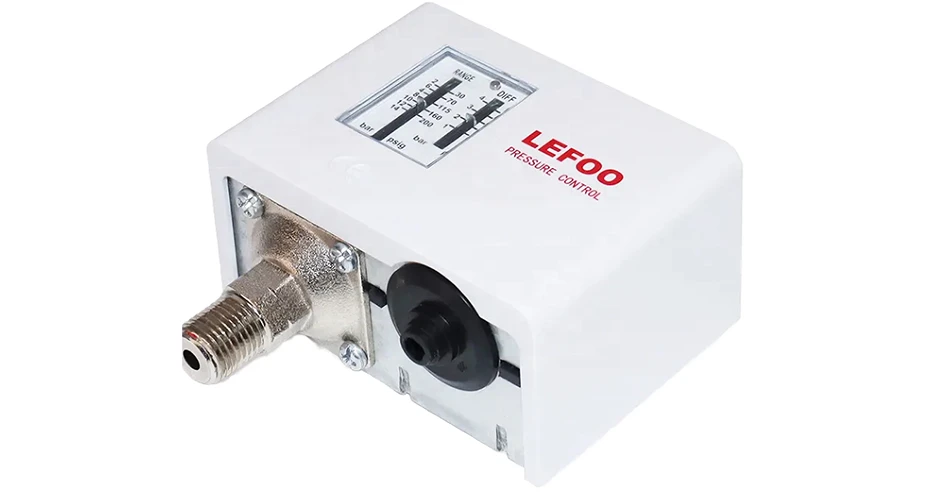
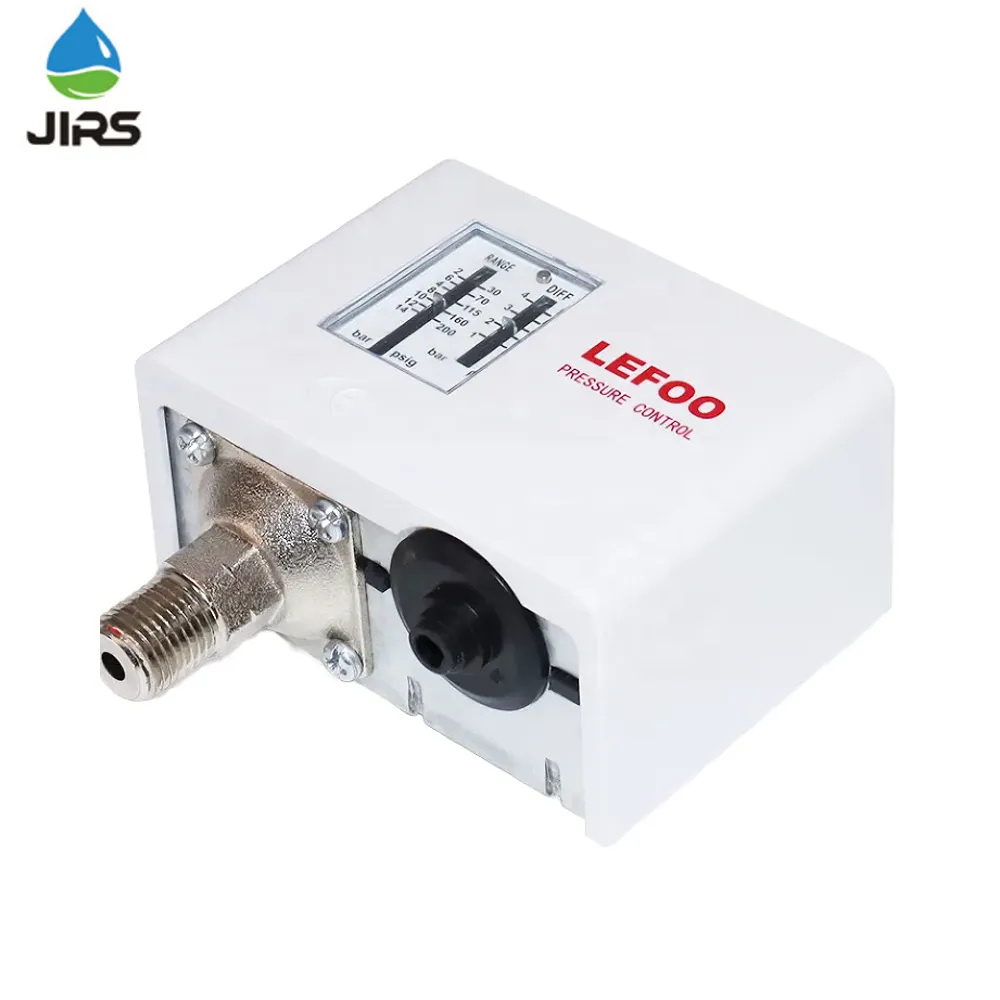
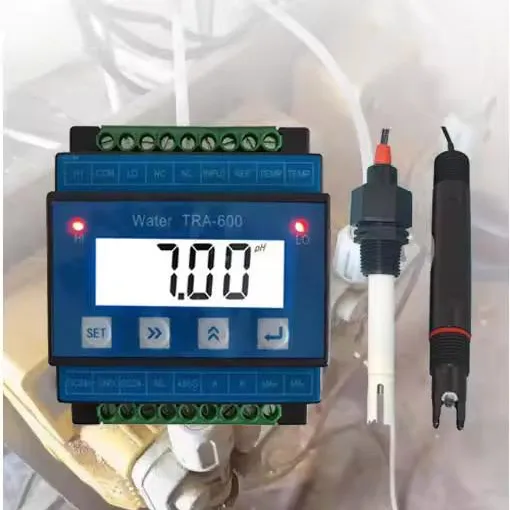
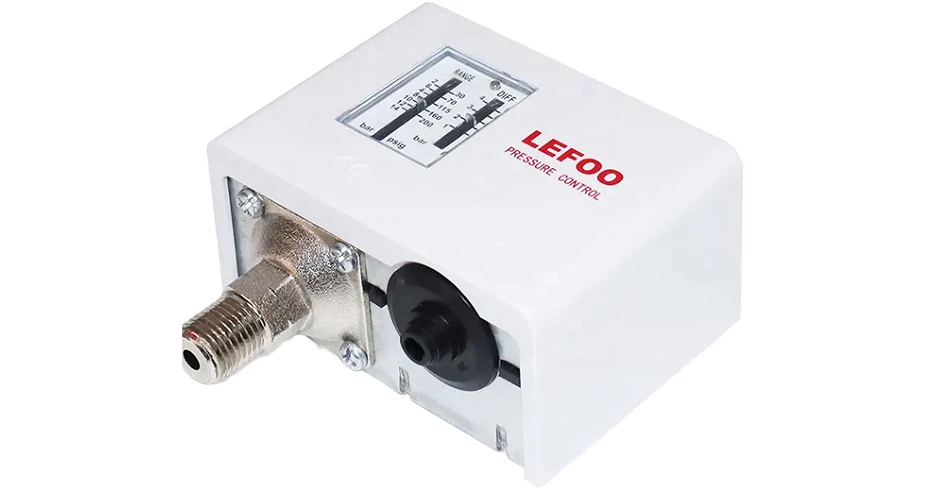
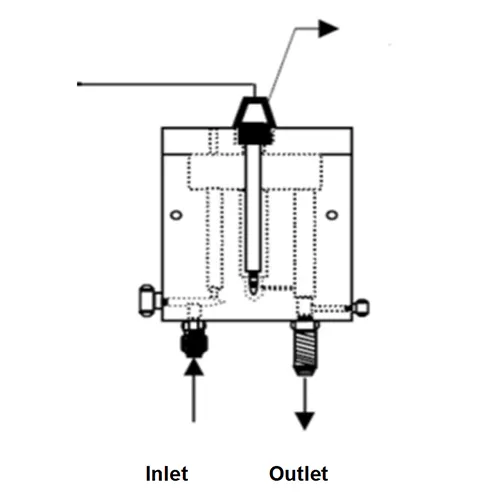
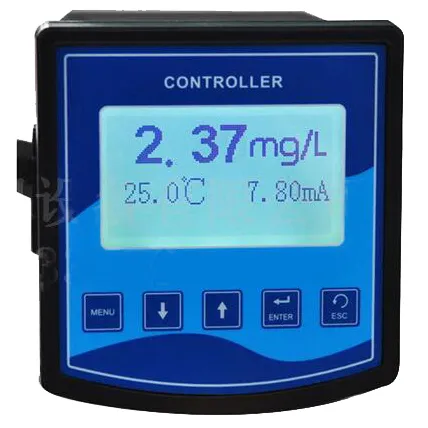
irrigation controllers
In reverse osmosis (RO) systems, the reverse osmosis controller serves as the nerve center, regulating processes and ensuring water quality meets standards. Proper calibration of this controller is essential to maintain efficiency, reduce energy costs, and extend membrane life. For wholesalers, guiding clients to master calibration using the reverse osmosis controller operation manual ensures their reverse osmosis system controller performs at peak capacity. Hebei JIRS Import & Export Co., Ltd., a leader in water treatment solutions, offers advanced ROS-8100 controllers designed for precision and ease of calibration. With a focus on innovation, user-friendly design, and exceptional after-service, the company empowers wholesalers to deliver systems that excel in diverse applications, from pure water production to seawater desalination. Reverse Osmosis Controller Calibration Fundamentals A reverse osmosis controller requires periodic calibration to ensure accurate monitoring of conductivity, which directly impacts system performance and water quality. Calibration Aspect Tools Needed Outcome of Proper Calibration Conductivity Sensors Standard conductivity solutions, touch screen interface Accurate water quality monitoring, preventing under/over-treatment Flow/Pressure Signals Pressure gauges, flow meters Optimal membrane performance, reduced energy waste Automation Logic reverse osmosis controller operation manual , test mode Reliable automatic flushing, shutdowns, and system adjustments Reverse Osmosis Controller Operation Manual for Step-by-Step Calibration The reverse osmosis controller operation manual is an indispensable tool for systematic calibration, providing clear instructions tailored to the reverse osmosis system controller ’s features. Manual Section Key Guidance Benefit for Users Pre-Calibration System preparation and stability checks Reduces calibration errors caused by fluctuating conditions Touch Screen Navigation Step-by-step menu access for adjustments Simplifies calibration for users with varying experience levels Validation Procedures Test cycles and alarm verification Ensures calibration translates to reliable system performance Reverse Osmosis System Controller Calibration for Diverse Applications A reverse osmosis system controller must be calibrated to suit specific applications, as water sources and purity requirements vary widely. Application Calibration Focus Reverse Osmosis System Controller Feature Supporting This Seawater Desalination High conductivity source water monitoring Dual-stage calibration, high-range conductivity sensors Pure Water Production Low-conductivity product water accuracy Precise MCU processing, multi-point monitoring Industrial Reuse Variable source water adjustment Real-time alarm triggers, automated flush cycles Reverse Osmosis Controller Calibration Features in Hebei JIRS’s ROS-8100 Hebei JIRS Import & Export Co., Ltd.’s ROS-8100 reverse osmosis controller is engineered to simplify calibration while ensuring seamless integration with RO system components. Feature Specification Calibration Advantage User Interface 7-inch/10-inch touch screen, 800*480 resolution Intuitive navigation for inputting calibration values, real-time process visualization Processing System High-speed MCU, PLC control Rapid response to calibration adjustments, accurate signal interpretation Monitoring Capabilities Source water, first-stage, second-stage conductivity Simultaneous multi-point calibration, ensuring consistency across system stages Automation Modes Single-stage/double-stage RO control, automatic system management Calibration of automation logic for unmanned operation, reducing human intervention These features reflect the company’s commitment to quality, with each controller undergoing rigorous testing to ensure calibration stability. The ROS-8100’s modular design allows for easy sensor replacement and software updates, ensuring long-term reliability. Hebei JIRS’s online support team provides guidance on advanced calibration scenarios, such as adapting to seasonal changes in source water quality, further enhancing the controller’s versatility. Reverse Osmosis Controller FAQS How often should a reverse osmosis controller be calibrated? A reverse osmosis controller should be calibrated at least quarterly, though frequency may increase with heavy usage or in applications with highly variable source water quality. Hebei JIRS recommends checking calibration whenever conductivity readings seem inconsistent or after replacing sensors or membranes. The reverse osmosis controller operation manual provides a detailed schedule based on usage intensity, ensuring users stay proactive. Regular calibration prevents drift in sensor readings, which can lead to inefficient membrane operation or non-compliant water quality. For critical applications like pharmaceutical pure water production, monthly calibration is advisable to maintain the highest accuracy. What role does the reverse osmosis controller operation manual play in troubleshooting calibration issues? The reverse osmosis controller operation manual is invaluable for troubleshooting calibration issues, offering step-by-step diagnostics for common problems. For example, if conductivity readings are erratic, the manual guides users to check sensor connections, clean probes, or verify calibration solution temperatures. It also includes error code explanations specific to Hebei JIRS’s ROS-8100 controller, helping users identify issues like communication failures between the MCU and sensors. The manual’s troubleshooting flowcharts simplify complex problems, reducing downtime and the need for external support. This resource ensures that even users with limited technical expertise can resolve calibration challenges efficiently. Can a reverse osmosis system controller be calibrated for both single-stage and dual-stage systems? Yes, a reverse osmosis system controller from Hebei JIRS, such as the ROS-8100, can be calibrated for both single-stage and dual-stage systems. The controller’s dual-stage version allows separate calibration of first-stage and second-stage conductivity sensors, ensuring each stage meets its specific performance targets. During calibration, users can input unique conductivity thresholds for each stage via the touch screen interface, tailoring the system to the desired product water quality. This flexibility is critical for dual-stage systems, where the second stage further purifies water from the first stage, requiring precise monitoring to avoid over-treatment or energy waste. Hebei JIRS’s design ensures seamless between single and dual-stage calibration modes. How does Hebei JIRS support clients in calibrating their reverse osmosis controller ? Hebei JIRS supports clients in calibrating their reverse osmosis controller through its dedicated online after-service team, which provides real-time guidance during calibration. The team assists with interpreting the reverse osmosis controller operation manual , troubleshooting sensor drift, and optimizing calibration settings for specific applications. For complex issues, they can remotely access the controller to verify settings or adjust parameters. Additionally, the company offers video tutorials and webinars on calibration best practices, empowering users to become proficient. This support ensures that even first-time users can calibrate their controllers accurately, maximizing system performance and longevity. What happens if a reverse osmosis system controller is not properly calibrated? A reverse osmosis system controller that is not properly calibrated can lead to multiple issues, including inefficient membrane operation, increased energy costs, and non-compliant water quality. Inaccurate conductivity readings may cause the controller to under-treat water, resulting in high impurity levels, or over-treat, wasting energy and chemicals. Poor calibration can also lead to improper flush cycles, accelerating membrane fouling and increasing replacement costs. In critical applications like food and beverage production, this could result in product contamination or regulatory penalties. Hebei JIRS emphasizes the importance of calibration in its training materials, highlighting how proper maintenance directly impacts system reliability and cost-effectiveness.
Latest News
2026-04-06 02:14
Water may look clean, but what’s happening on the molecular level often tells a different story. In aquatic ecosystems, industrial processes, and wastewater management, dissolved oxygen (DO) is one of the most vital indicators of water quality. A dissolved oxygen meter provides real-time, precise measurements of oxygen levels in liquid, which helps determine biological activity, chemical balance,
2026-04-06 01:38
Hands-on with the WS 9200 automatic water sampler If you spend real time in the field, you learn quickly which samplers help, and which ones just add weight to your day. The WS 9200 sits in the first camp: a portable, separate-bottle automatic water sampler built for rivers, lakes, near-shore seawater, and—let’s be honest—the messy reality of industrial outfalls. It’s peristaltic-pump based, MCU-c
2026-04-05 23:53
Industry Trends in Conductivity and Resistivity Measurement The industrial landscape for water treatment, process control, and environmental monitoring is undergoing significant transformation, driving an escalating demand for advanced conductivity and resistivity sensors. Key trends indicate a shift towards enhanced precision, robust build quality, and smarter integration capabilities. Industries
